In the digital age, the battle is only halfway when it comes to bringing traffic to your social page or your website. Whether digital marketing is effective or not rests on what happens once they have clicked your link. Here, User Experience (UX) becomes an important factor. UX is described as the experience that one feels when approaching a site, application, or other digital environment. Users will be interested in remaining, interacting, and converting when the experience is easy, pleasant, and easy to handle.
Online marketing campaigns could attract traffic, and UX will result in deciding the conversion of traffic into customers. An effective marketing plan and a fantastic user experience achieve long-term business growth that is long-term.
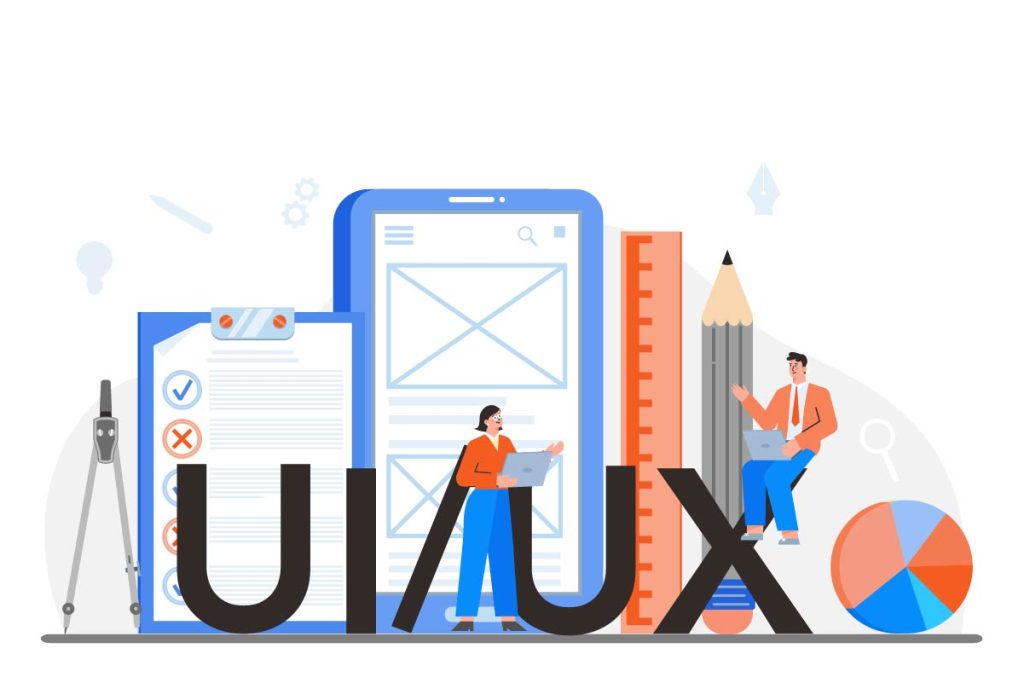
What Is UX in Digital Marketing?
User Experience (UX) encompasses all of the factors that influence a user’s digital interaction. It includes web design, loading time, mobile friendliness, navigation, readability of content, and ease of use.
Good UX allows the visitors to:
- Find information easily
- Navigate without confusion
- Finalize transactions (e.g. purchases or forms) without issue.
- Have a dazzling attractive interface.
When these elements work together, users are more satisfied and more likely to trust the brand.
Why UX Matters for Digital Marketing Success
The digital marketing campaigns like SEO, social media advertising, and email campaigns, are designed to generate traffic. But in the event that they open a slow, convoluted, or badly designed site, users will exit in a short time. This raises the bounce rates and lowers the conversion rates.
An excellent UX facilitates marketing success by:
- Reducing bouncing time on the site.
- Gaining more conversion rates.
- Reducing bounce rates
- Enhancing brand accreditation.
Search engines also consider user behavior signals. If visitors stay longer and interact more, it can positively impact search rankings.
UX and Conversion Optimization
Digital marketing aims at conversion as one of its primary objectives. It can be making a purchase, subscribing to a newsletter, or downloading a guide, and UX has a direct impact on such actions. Clear call-to-action buttons, easy form filling, and simple checkout procedures, coupled with quick-loading pages prompt the user to act on the intended action. Even minor UX enhancements, such as decreasing the number of fields in the form or the position of the buttons, can lead to a high conversion rate.
To illustrate, any e-commerce store with a complex checkout system loses a potential buyer during the last stage. The simplification of such a process enhances user satisfaction as well as revenue.

The Relationship between UX and SEO
The collaboration of UX and SEO is close. Whereas SEO leads to the traffic of users to your site, UX makes the experience positive. Search engines tend to put more priority on websites that are easy to use, fast, and mobile friendly.
The most important UX factors that affect SEO are
| UX Element | Impact on Digital Marketing |
|---|
| Page Load Speed | Affects bounce rate and rankings |
| Mobile Responsiveness | Improves accessibility and traffic |
| Clear Navigation | Enhances user engagement |
| Structured Content | Makes information easy to read |
| Secure Website (HTTPS) | Builds trust and credibility |
When UX and SEO are put into the same line of thought, the business will be more visible and engaged.
Customer Experience and Personalization
The contemporary users demand a customized experience. The UX design enables businesses to personalize the content, product suggestions, and messages to match the preferences of the user. Examples are custom-made dashboards, product recommendations, and email journeys, which enhance customer satisfaction of the customers. When users are supported to feel that they have been comprehended, chances are that they will be loyal to a brand.
Personalization enhances user experience as well as boosts marketing performance by providing the right content to the right people.
UX Builds Brand Trust and Loyalty
Professionalism and reliability are portrayed by a well-designed digital platform. A brand can be judged by its website or app design by the users. In case the interface is out of date or complicated to navigate, the customers might doubt the credibility of the company. Good layouts, uniform branding, and seamless interactions, on the other hand, leave a good impression. With time, this fosters trust and promotion of repeat circulation and buying.
The concept of good UX does not end with design but consists of establishing meaningful, comfortable digital experiences.
 The focus on the user experience is the core of digital marketing success. Whereas marketing techniques generate traffic, the UX makes the traffic remain, interact, and make a purchase. UX has a direct effect on the overall growth of the business, be it enhancing SEO performance or boosting the rate of conversion, or customer loyalty. Digital marketing in a simple manner will take people to your door, but UX will welcome people in and keep them there. Companies that adopt both marketing and user experience are more competitive in the modern digital environment.
About the Author: Alishba