In the contemporary business world, marketing decisions are no longer made on assumptions or creative instincts. The digital age has brought forth potent tools that monitor customers’ behavior, preferences, and interactions. This has seen data being one of the most important assets of contemporary businesses. Using data wisely, companies are able to develop smarter campaigns, enhance customer experience, and record quantifiable growth.
Evidence-based marketing assists the brands in substituting speculation with information. Marketers no longer wait based on the hope that a campaign will work but use information provided by analytics tools, customer databases, and online platforms. This change has entirely changed the way marketing strategies are designed and implemented.
The Importance of Data in Contemporary Marketing
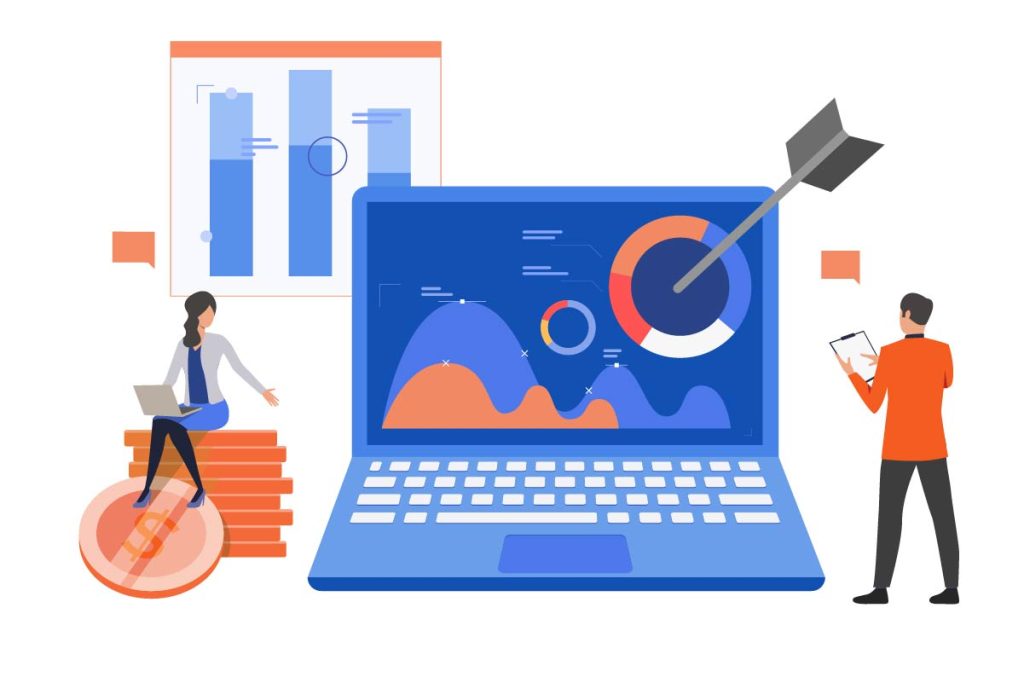
Information gives a more comprehensive insight into customers. It unveils their identity, their tastes and preferences, and their relationship with brands. This fact will enable companies to make a decision based on facts as opposed to trends and gut feelings alone.
As an example, data assists marketers to:
- Find the correct target market.
- Understand buying behavior
- Performance measurement of the campaign.
- Enhance customer relations.
With such information, businesses can optimize on their strategies and concentrate on what is indeed working.
Types of Data Used in Marketing
The contemporary marketing strategies rely on various kinds of data. All types lead to creating the complete customer portrait and better decision-making.
| Type of Data | What It Includes | How It Helps in Marketing Decisions |
|---|
| Demographic Data | Age, gender, location, income | Helps define target audience |
| Behavioral Data | Website visits, clicks, purchases | Shows customer interests & habits |
| Psychographic Data | Lifestyle, values, preferences | Improves message personalization |
| Transactional Data | Purchase history, order value, frequency | Supports upselling & retention |
| Engagement Data | Likes, shares, comments, open rates | Measures campaign performance |
A combination of these types of data enables businesses to design more accurate and efficient marketing strategies.
Customer Experience and Personalization
Personalization is one of the largest opportunities for data usage. The modern customer wants to see the brands figure out what they need. Information enables marketers to customize messages, deals, and suggestions based on personal preferences.
As an example, online shops recommend products with regard to previous purchases and email messages are tailored based on the customer preferences. This one to one strategy enhances customer satisfaction and persuasion probability. Customers are also likely to invest trust and be loyal to a brand when they feel understood.
Smarter Budget Allocation
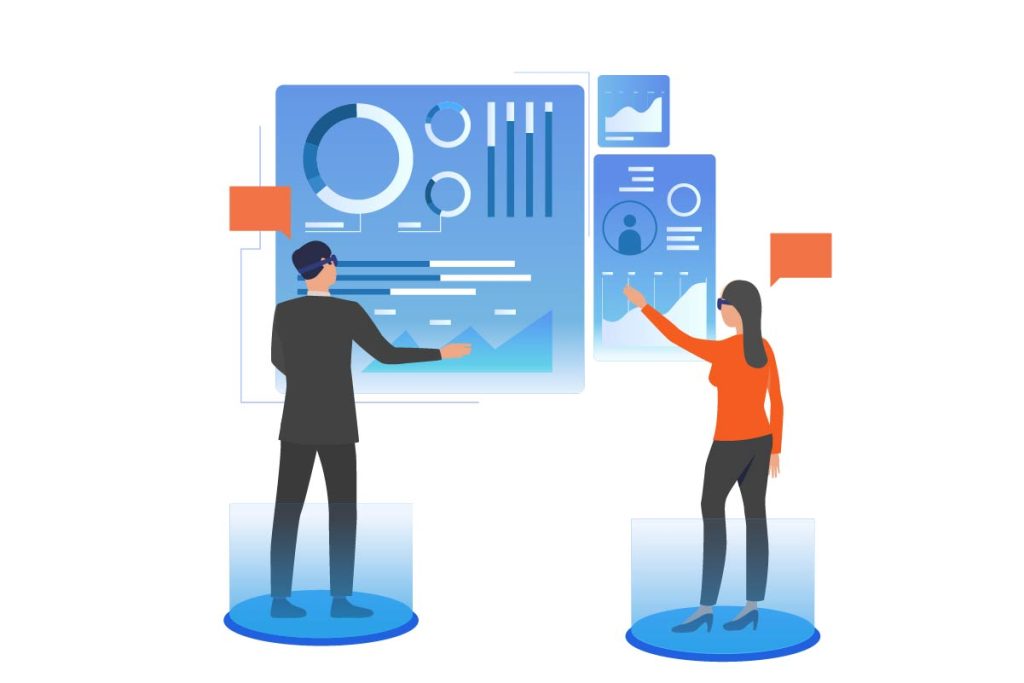
There is a constraint on marketing budgets, and all businesses seek maximum returns on investments. Data assists marketers in knowing the channels and campaigns that are performing well. The companies do not need to spend an equal amount on each platform but focus on the strategies that produce the best outcomes.
Marketers can also change campaigns in real time with the help of real-time analytics. In case of poor performance of an advert, it can be changed or suspended instantly. This is flexible enough to avoid any unnecessary expenditure and makes it financially efficient.
Predictive Insights and Future Planning
In addition to the analysis of the existing performance, data may be used to forecast the future. The more sophisticated analytics solutions can predict the sales pattern, seasonal demand, and even anticipate customer churn. These insights enable the business to not respond to issues of problems but to plan beforehand.
It has some important advantages of predictive analysis, which include
- Anticipating market trends
- Planning of inventory with accuracy.
- Reducing customer loss
- Enhancing long-term strategy.
This forward looking approach strengthens business stability and growth.
Difficulties in Data-Driven Marketing
Despite the strong benefits that come with data, it also comes with challenges. Handling vast amount of information requires effective equipment and competent experts. Companies should also make sure that their data is accurate and that they comply with privacy laws in order to keep their customers.
Further, being creative can be a constraint to innovation because one uses numbers instead of being creative. Effective marketing is a mixture of analytical thinking and creative narration to create a good relationship with the brand.
 Modern marketing decisions have been based on data. It helps businesses to know the customers, have the capability to target better, optimize budgets, and plan for the future. Although there are some challenges, the advantages of data-based marketing are much greater than the problems. Simply put, data makes marketing measurable, strategic, and results-oriented. Firms that know how to make data smarter will keep on expanding and remain relevant in the current dynamic market environment.
About the Author: Alishba