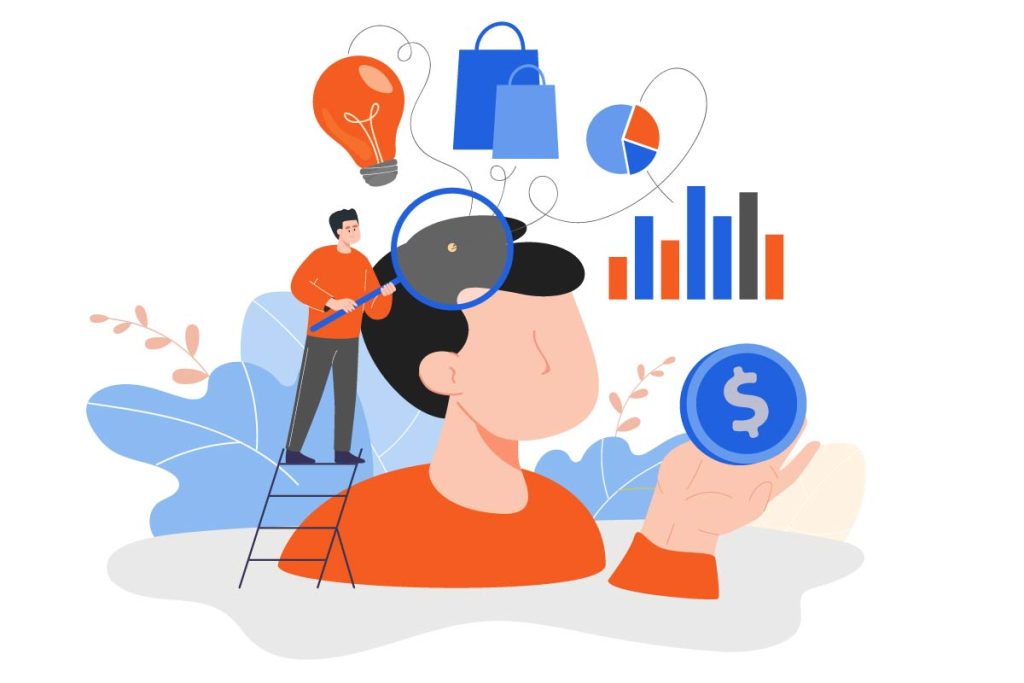
Online shoppers don’t always make buying decisions logically. Most of the time, their choices are influenced by emotions, habits, and how prices are presented. This is where psychological pricing comes in. It helps online stores encourage purchases by presenting prices in a way that feels more attractive and easier to accept. Below are some proven psychological pricing tricks that can make a real difference in your online sales.
Online Pricing Methods That Make Products Feel Cheaper
Even without reducing prices, certain techniques make products look like better deals. These methods help improve customer satisfaction and sales.
Charm Pricing (Prices Ending in 9 or 99)
Charm pricing is one of the oldest and most effective pricing techniques. Prices like Rs. 999 or Rs. 1,499 appear cheaper than rounded numbers, even though the difference is small. Customers usually read prices from left to right. Because of this, Rs. 999 is mentally processed as nine hundred something rather than almost one thousand. This small shift in perception can strongly impact buying decisions, especially in competitive online stores. This method works particularly well for everyday items and promotional offers.
Price Anchoring to Highlight Discounts
Price anchoring involves showing a higher original price next to the current selling price. This creates a sense of savings and value. For example, when customers see a product originally priced at Rs. 5,000 now available for Rs. 3,499, they focus more on the discount than the final price. The higher number sets an expectation, making the lower price feel like a smart deal.
Anchoring is especially useful during:
- Seasonal sales
- Clearance offers
- New product launches
Decoy Pricing to Guide Customer Choices
Decoy pricing pushes customers toward a specific option by adding a third choice. This makes one option look more reasonable and valuable compared to the others. Instead of choosing the cheapest option, customers often go for the one that feels “balanced” in price and features. This strategy is commonly used in service plans, subscriptions, and bundled offers. When done right, decoy pricing helps customers decide faster and increases average order value.
Bundle Pricing to Increase Perceived Value
Bundling combines multiple products into a single package at a slightly reduced price. Customers feel they are getting more for their money even if they didn’t originally plan to buy multiple items.
This strategy works well because:
- It reduces price comparison
- It increases cart value
- It feels like a limited-time advantage
Bundle pricing is especially effective for beauty products, groceries, accessories, and digital services.
Free Shipping Thresholds That Encourage Bigger Carts
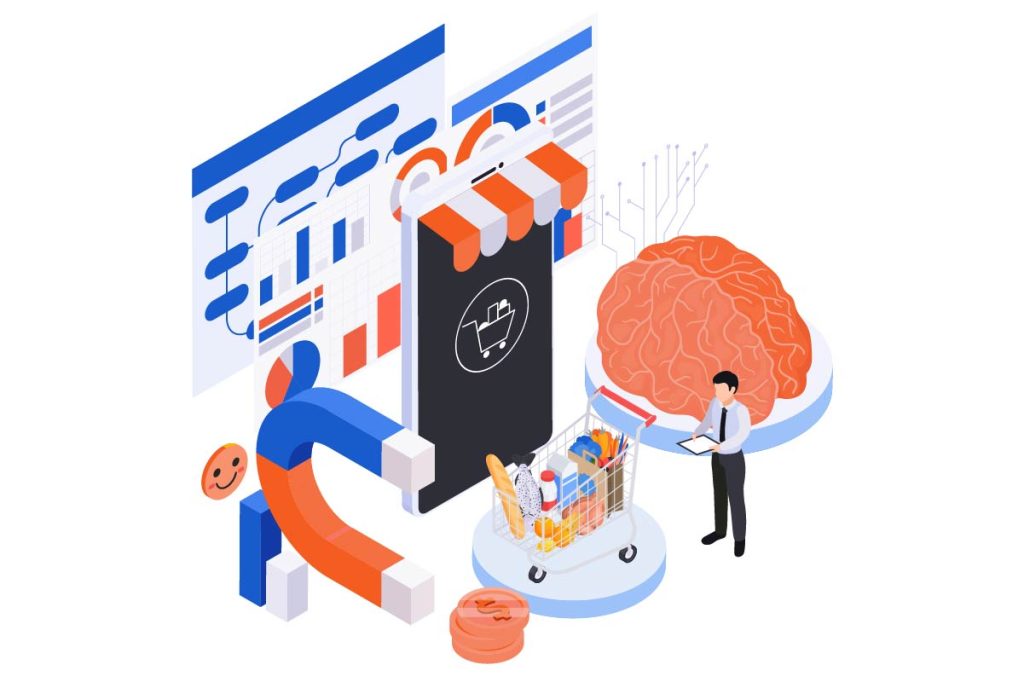
Shipping costs are one of the main reasons customers abandon carts. Offering free shipping above a certain amount can solve this issue. Instead of paying extra for delivery, customers prefer adding another item to reach the free shipping limit. This not only improves conversions but also raises the overall order value without heavy discounts. Even a small free shipping incentive can significantly impact purchasing behavior.
Urgency Based Pricing
People don’t like missing out. When an offer feels limited, customers are more likely to act quickly.
Common urgency triggers include:
- Only a few items left
- Offer ends in 24 hours
- Limited stock available
These messages create pressure and reduce hesitation, especially for impulse purchases.
Odd and Even Pricing for Brand Positioning
Odd pricing (like Rs. 499 or Rs. 1,999) is usually linked to affordability and discounts, while even pricing (like Rs. 5,000) feels more premium and trustworthy.
Many online stores use:
- Odd prices for sales and promotions
- Even prices for luxury or high-end products
Choosing the right format helps align pricing with brand image.
Breaking Big Prices into Smaller Payments
Large prices can scare customers even if the product offers great value. Splitting the cost into monthly payments makes it feel lighter and more manageable. Seeing Rs. 1,500 per month feels less stressful than Rs. 18,000 per year, even though the total cost is the same. This method is highly effective for subscriptions, online courses, and memberships.
Final Thoughts

The way prices are shown matters as much as the price itself. These tricks help online stores appear more affordable and trustworthy to shoppers.
About the Author: Alishba